Experts
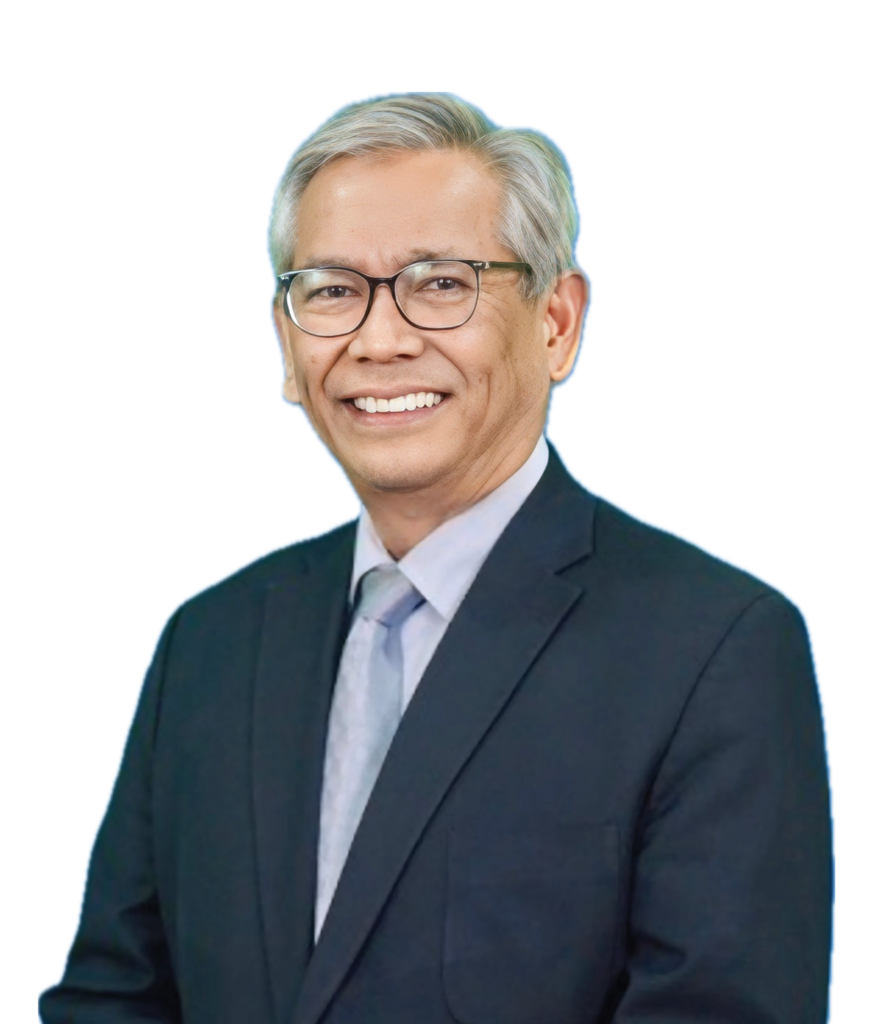
Dr. Raja Abdul Aziz Raja Adnan
Atomic Energy Advisory Council, Malaysia
Dr. Raja Abdul Aziz Raja Adnan is Principal Advisor at the eCEOs and Chairman of the Atomic Energy Advisory Council, Ministry of Science, Technology and Innovation (MOSTI), Malaysia. He brings over four decades of international experience spanning nuclear energy policy, regulation, nuclear security, safeguards, non-proliferation, technical cooperation, and the peaceful application of nuclear science and technology. He previously served as Director of the Division of Nuclear Security at the International Atomic Energy Agency (IAEA), where he led the Agency’s global nuclear security programme, and as Special Assistant to the IAEA Director General on Nuclear Sciences and Applications and Technical Cooperation. Prior to joining the IAEA, he served as Director General of Malaysia’s Atomic Energy Licensing Board (AELB) and represented Malaysia in numerous international nuclear policy and regulatory forums, including as Chair of the IAEA Director General’s Advisory Group on Nuclear Security (AdSec) and a member of the IAEA Commission on Safety Standards (CSS). His expertise encompasses nuclear governance, regulatory infrastructure, strategic planning, international cooperation, and institutional readiness for the safe, secure, and sustainable deployment of nuclear technologies.
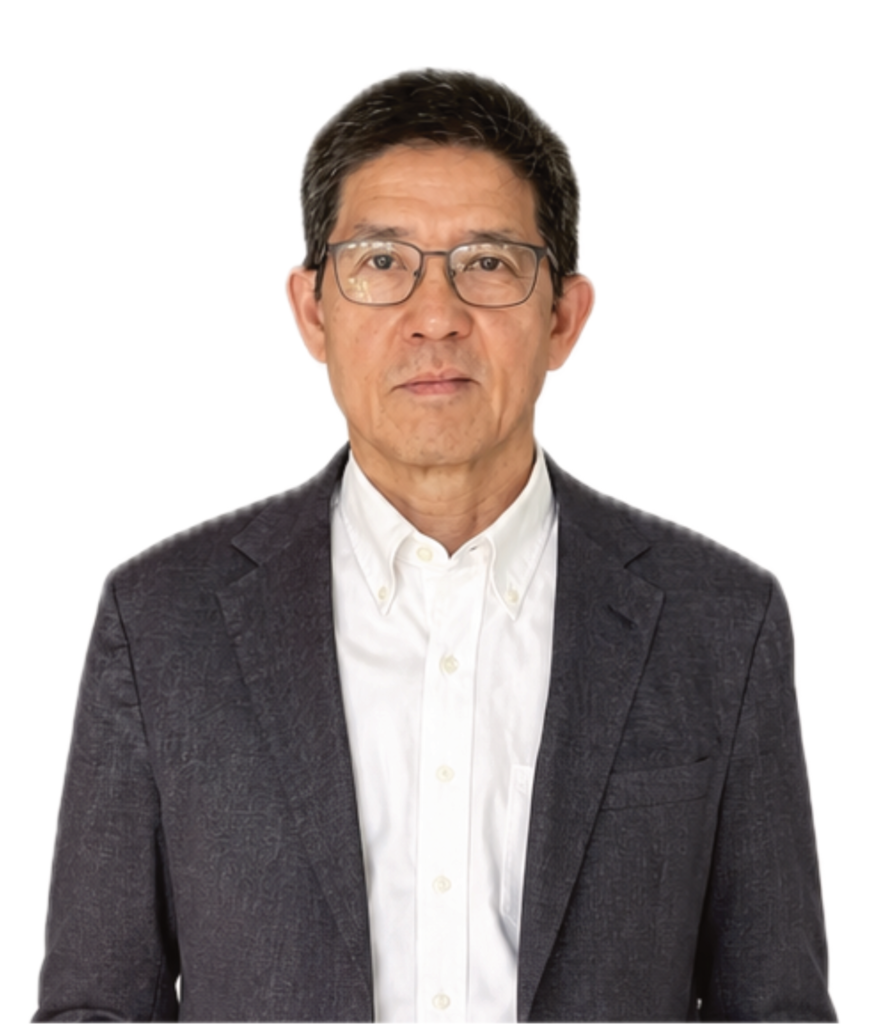
Dr. Wison Luangdilok
H2Technology LLC, USA and JGSEE at KMUTT
Dr. Wison Luangdilok is a seasoned nuclear safety and engineering expert with over three decades of experience in nuclear technology, accident analysis, and energy transition applications. He holds a Ph.D. in Nuclear Engineering (MIT), an M.Eng.Sc. (Kyoto University), and a B.Eng. in Chemical Engineering (Osaka University).
He previously worked at Fauske & Associates, LLC, contributing to advanced safety analyses, including work related to nuclear accidents such as Fukushima, with expertise in reactor behavior, hydrogen combustion, and safety methodologies.
Currently, he is a Principal at H2Technology LLC and serves as an Adjunct Professor at JGSEE, KMUTT, focusing on SMRs and clean energy transitions. His expertise spans nuclear safety, hydrogen behavior, energy systems consulting, and advanced technical education.

Dr. Pantip Ampornrat
the Office of Atoms for Peace (OAP)
Dr. Pantip Ampornrat is a senior expert at Thailand’s Office of Atoms for Peace (OAP), with extensive experience in nuclear regulation, radiation safety, and international cooperation. She has played a leading role in strengthening Thailand’s regulatory infrastructure and institutional capacity for the safe and secure use of nuclear and radiation technologies. She holds a Ph.D. in Nuclear Engineering and Radiological Sciences from the University of Michigan.
Dr. Pantip has been actively engaged in international collaboration, particularly through programs of the International Atomic Energy Agency (IAEA), including Technical Cooperation (TC) projects and capacity-building initiatives. Her work focuses on regulatory readiness, safety standards, and the development of human resources to support emerging areas such as nuclear energy deployment and advanced technologies. She is also closely involved in coordinating multi-stakeholder efforts, bridging government agencies, research institutions, and international partners to support Thailand’s long-term energy and technology strategies.
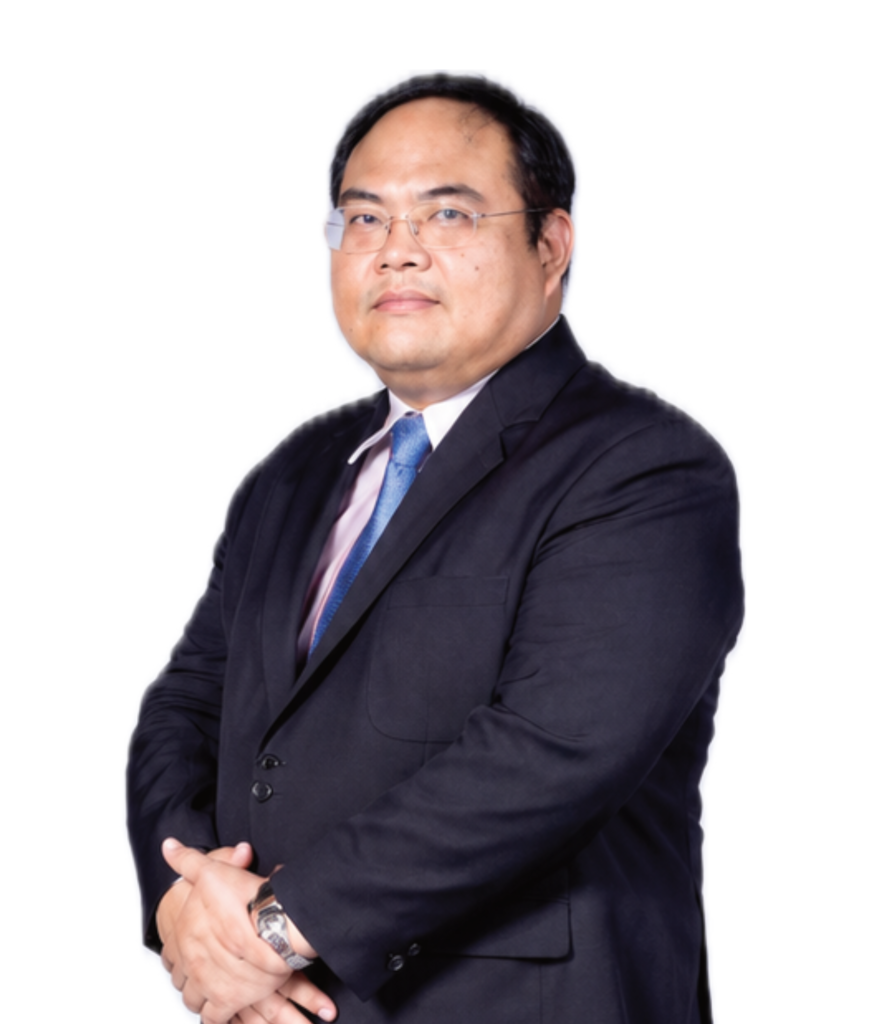
Assoc. Prof. Dr. Sunchai Nilsuwankosit
Chulalongkorn University (CU)
Dr. Sunchai Nilsuwankosit is an Associate Professor in the Department of Nuclear Engineering, Faculty of Engineering, Chulalongkorn University. He received his B.S. in Physics from Chulalongkorn University and both his M.S. and Ph.D. in Nuclear Engineering from the University of Wisconsin–Madison, USA. He has over two decades of experience in nuclear engineering education and research. His expertise encompasses reactor physics, thermal hydraulics, neutron transport, reactor design and simulation, and nuclear safety, security, and safeguards. He has played a significant role in developing Thailand’s nuclear engineering workforce and has participated in international research and training collaborations with leading nuclear organizations in France, Japan, and the Republic of Korea.
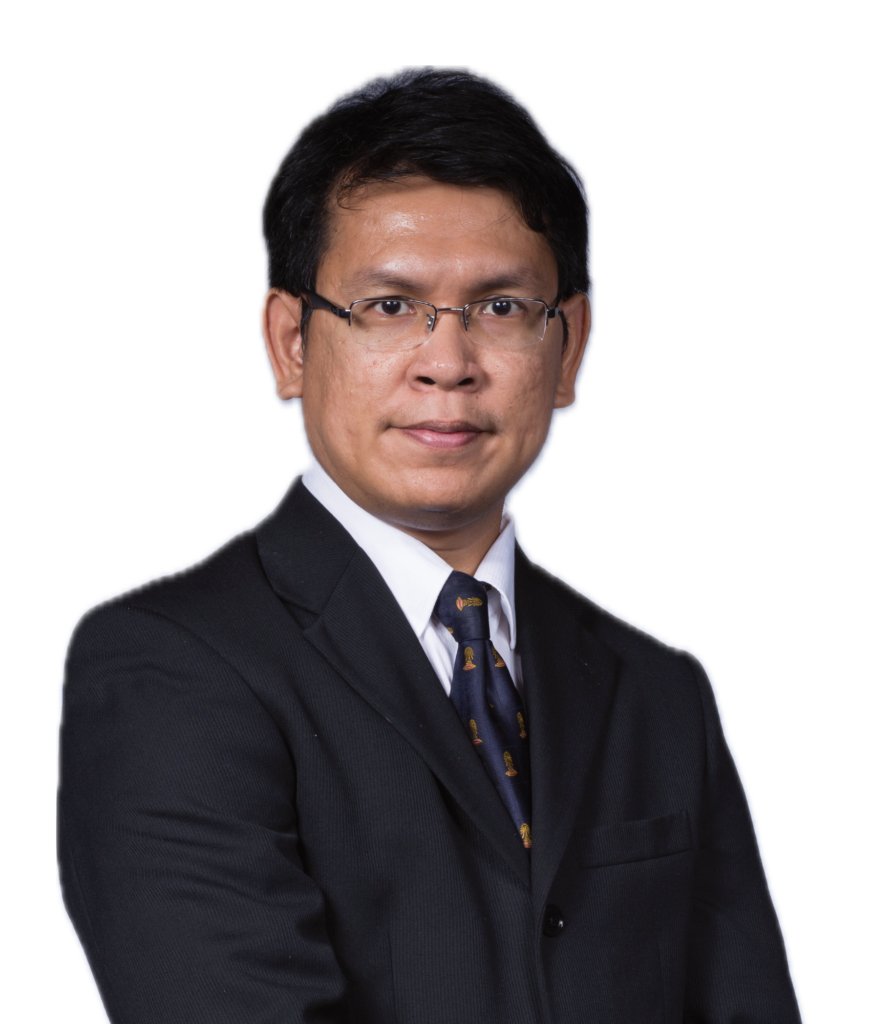
Assoc. Prof. Dr. Somboon Rassame
Department of Nuclear Engineering, Chulalongkorn University
Dr. Somboon Rassame is a nuclear engineering expert and faculty member in the Department of Nuclear Technology, Faculty of Engineering, Chulalongkorn University in Bangkok, Thailand. He holds a Ph.D. in Nuclear Engineering from Purdue University (USA), as well as graduate and undergraduate degrees in nuclear and mechanical engineering from Chulalongkorn University.
Dr. Rassame’s core technical expertise includes:
Nuclear thermal-hydraulics and two-phase flow research, focusing on experimental measurements and theoretical modeling of heat transfer and fluid dynamics in reactor systems.
Safety analysis of Light Water Reactors (LWRs), including computational and analytical studies of reactor cooling system behavior under various conditions.
Use and development of advanced simulation tools for reactor system performance, such as TRACE, RELAP5, TRAC thermal-hydraulic codes and CFD tools like CFX and FLUENT for detailed fluid flow analysis.
In addition to his technical research, Dr. Rassame contributes to nuclear engineering education and capacity buildingin Thailand, including involvement in discussions on SMR technology, its role in Thailand’s energy transition, and workforce development for nuclear science and technology.
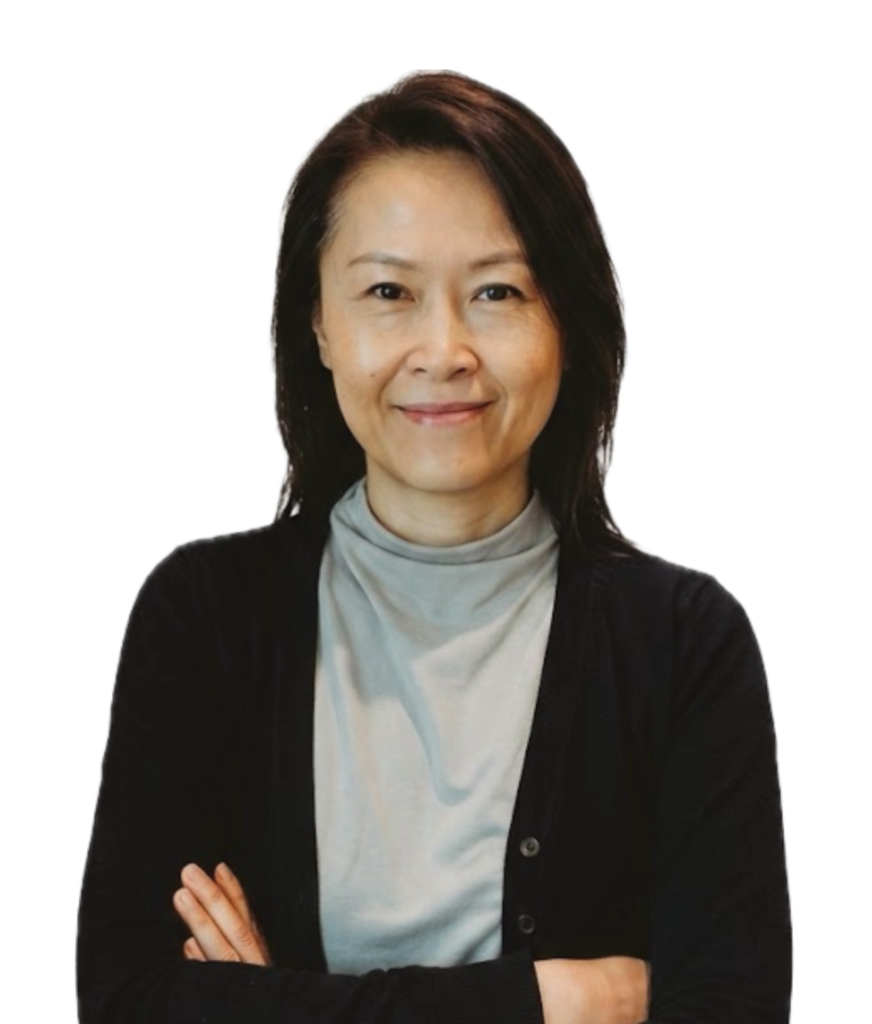
Dr. Pronnapa Sanongboon
Canadian Nuclear Laboratories (CNL), Canada
Dr. Pronnapa Sanongboon is an Operations Research Analyst at Canadian Nuclear Laboratories (CNL), where her work focuses on modelling, optimization, and techno-economic analysis of hybrid energy systems that integrate nuclear and renewable energy components. She has played a leading role in developing the Hybrid Energy System Optimization (HESO) model, used to evaluate optimal energy mixes by minimizing system cost and greenhouse gas emissions.
Her expertise includes hybrid energy system modelling, techno-economic analysis, and collaborative research to support energy transition planning. She holds a doctoral degree in engineering with specialization in optimization and operations research and has prior experience teaching at the university level.

Dr. Kampanart Silva
National Energy Technology Center (ENTEC), National Science and Technology Development Agency (NSTDA)
Dr. Kampanart Silva is a researcher specializing in energy resilience, infrastructure, and low-carbon transition planning at the National Energy Technology Center (ENTEC) under the National Science and Technology Development Agency (NSTDA) in Thailand. He holds a doctoral degree in nuclear engineering and management and has a background that bridges nuclear science with broader energy and infrastructure resilience research.
His expertise includes:
Energy and infrastructure resilience – focusing on strengthening energy systems and transport infrastructure against climate risk and shock events.
Research and analysis on energy transition pathways, including contributions to national energy transition planning, just transition workshops, and stakeholder consultation on energy policy.
Nuclear safety and consequence assessment – with demonstrated engagement in nuclear safety research forums; he presented on accident consequence assessment for SMRs at the ASEAN Network on Nuclear Power Safety Research.
Regional scientific collaboration and guideline development as a founding member of the ASEAN Network on Nuclear Power Safety Research and Thailand’s alternate representative to ASEAN’s Sub-Committee on Sustainable Energy Research.
Publication and thought leadership in energy resilience and sustainability, including co-editing academic works that explore energy system sustainability and disaster resilience in Asia.
Dr. Silva also contributes to public discourse and engagement as a moderator and speaker on energy transition issues at national and international conferences, supporting Thailand’s strategies for low-carbon and resilient energy systems.
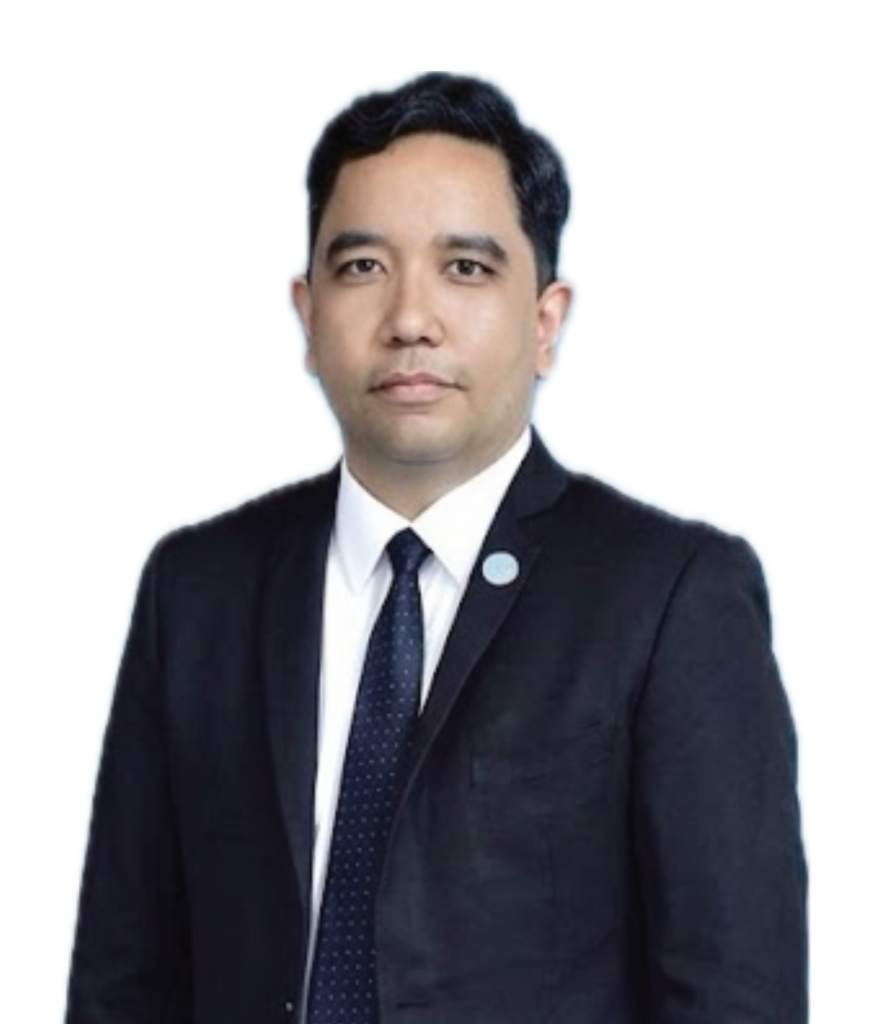
Dr. Chaiyod Soontrapa
Office of Atoms for Peace(OAP)
Dr. Chaiyod Soontrapa serves as the Acting Expert on Nuclear Safety at the Office of Atoms for Peace (OAP), Thailand’s national nuclear regulatory authority under the Ministry of Higher Education, Science, Research and Innovation. He has extensive expertise in nuclear safety regulation, nuclear security, safeguards, and the implementation of international nuclear safety frameworks. He is responsible for advancing Thailand’s nuclear safety regulatory framework and represents the country in several IAEA-supported international conventions and regional nuclear safety networks. His expertise includes nuclear safety regulation, licensing, safety assessment, nuclear security, safeguards, and international regulatory cooperation.
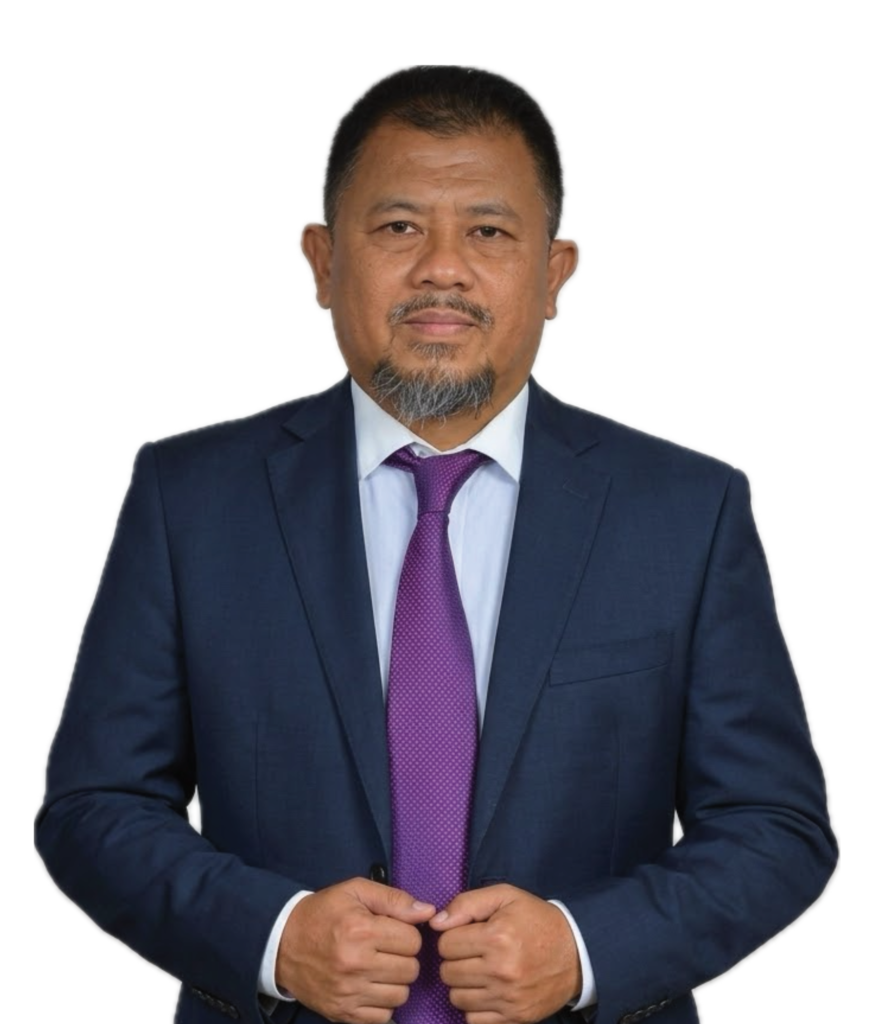
Dr. Hadid Subki
International Atomic Energy Agency (IAEA)
Dr. Hadid Subki is a Technical Lead in SMR Technology Development within the Nuclear Power Technology Development Section of the IAEA. In this role, he leads and coordinates technical work on small and modular reactor (SMR) technologies, including development, assessment, and international cooperation to support Member States on SMR deployment.
Dr. Subki has served as Scientific Secretary of the IAEA’s Technical Working Group on SMRs, contributing to global guidance on SMR evaluation and deployment challenges, and facilitating engagement among experts and Member States.
His expertise includes SMR technology development and assessment, international technical cooperation, and capacity building for countries considering SMRs. His work focuses on advancing responsible deployment of SMR technologies within the global nuclear energy landscape.
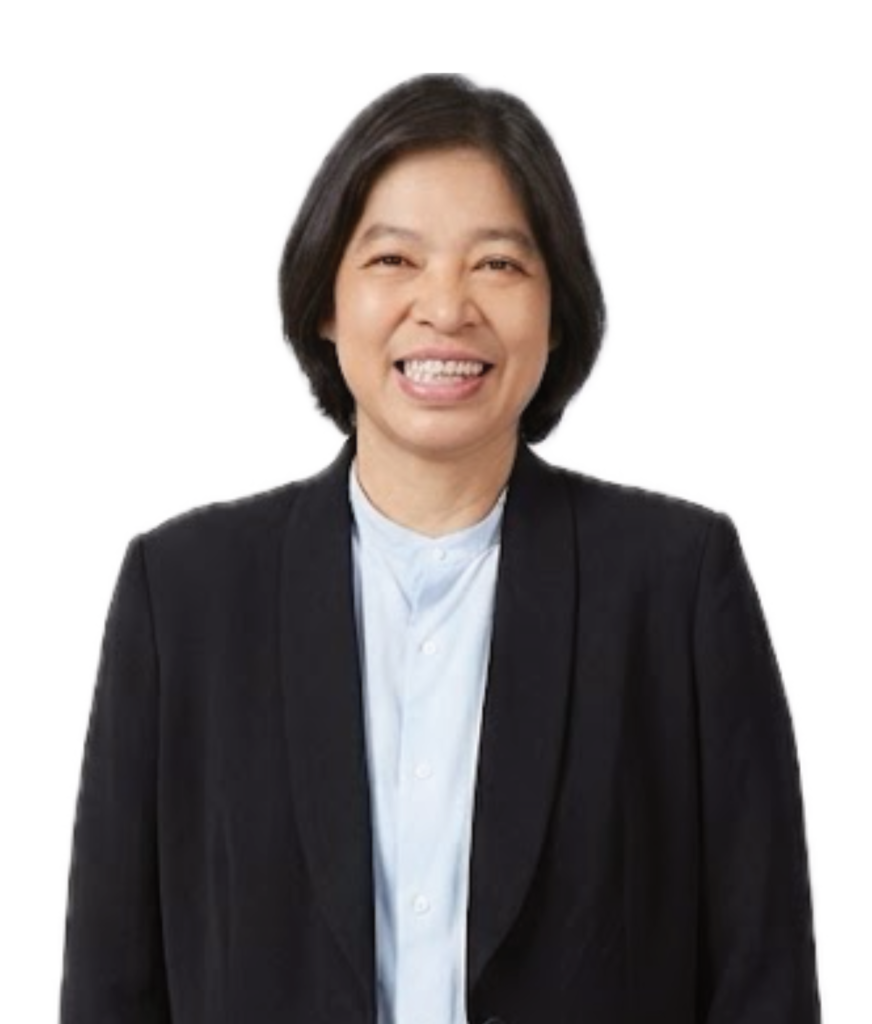
Dr. Kanokrat Tiyapun
Thailand Institute of Nuclear Technology (TINT)
Dr. Kanokrat Tiyapun is a senior nuclear technology professional and Head of the Research Reactor Center at the Thailand Institute of Nuclear Technology (TINT). At TINT she oversees research reactor operations, support and planning functions, contributing to both domestic reactor management and international cooperation in nuclear technology. She holds a Ph.D. in Nuclear Engineering from Oregon State University.
Her work includes leadership and representation of Thailand in regional nuclear research and development forums such as the Forum for Nuclear Cooperation in Asia (FNCA), where she has participated in collaborative projects related to research reactor utilization, capacity building, and regional technical exchange.
Dr. Tiyapun has also engaged in activities that support nuclear programme planning and human resource development for research reactor operations, highlighting the importance of workforce readiness and competency planning in nuclear infrastructure development.
Her expertise spans:
Research reactor management and operational support at TINT
Participation in international nuclear research and cooperation initiatives
Workforce and infrastructure development planning for nuclear technology programmes

Asst. Prof. Dr. Piyatida Trinuruk
King Mongkut’s University of Technology Thonburi (KMUTT)
Dr. Piyatida Trinuruk is a faculty member in the Department of Mechanical Engineering at King Mongkut’s University of Technology Thonburi (KMUTT), Thailand. She holds a B.Eng. in Mechanical Engineering and an M.Eng. in Energy Technology from KMUTT, and a D.Eng. in Nuclear Engineering from Tokyo Institute of Technology, Japan.
Her expertise includes:
Innovative nuclear reactor technology, including advanced reactor concepts and their underlying physical and engineering principles
Nuclear thermal-hydraulics and heat transfer
Fundamental and applied heat transfer in energy systems
Energy conversion processes for household and industrial applications
Her work bridges nuclear engineering fundamentals with broader thermal and energy system applications, supporting innovation in both advanced reactor concepts and practical energy technologies.
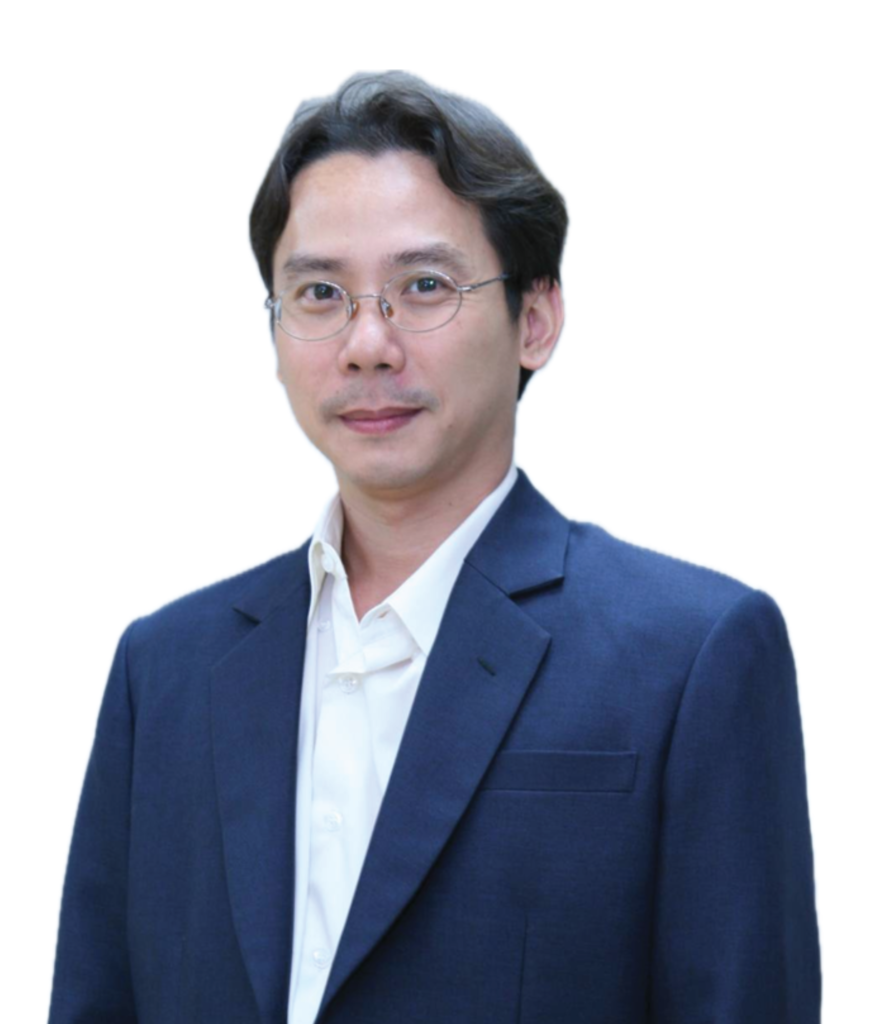
Assoc. Prof. Dr. Pipat Chaiwiwatworakul
The Joint Graduate School of Energy and Environment (JGSEE), King Mongkut’s University of Technology Thonburi (KMUTT)
Dr. Pipat Chaiwiwatworakul is a Lecturer at the Joint Graduate School of Energy and Environment (JGSEE), King Mongkut’s University of Technology Thonburi (KMUTT), with expertise in thermal energy systems, building energy efficiency, and clean heat technologies. He holds a Ph.D. and M.Eng. in Energy Technology from the Asian Institute of Technology, and a B.Eng. in Mechanical Engineering from Chulalongkorn University.
His research focuses on the rational use of energy and energy conservation in buildings, with particular emphasis on efficient lighting and daylighting, building heat transfer, and human visual and thermal comfort in tropical climates. His work also extends to atmospheric science and advanced thermal system analysis, contributing to the development of energy-efficient and climate-responsive building solutions.
Dr. Pipat has extensive experience spanning academia, research, and industry. Prior to joining KMUTT, he worked as an energy engineer in consulting, a research associate at AIT, and a mechanical engineer in building system design.
Through his work, Dr. Pipat contributes to advancing clean heat solutions and energy efficiency in the built environment, supporting Thailand’s transition toward low-carbon and sustainable energy systems.

Dr. Siricharn Jirapongphan
Dr. Siricharn Jirapongphan is Head of Incubation at SCGC (SCG Chemicals), where he leads technology commercialization and innovation initiatives to develop new business opportunities. With nearly two decades of experience spanning research and development, digital manufacturing, process engineering, and technology solutions, he has held leadership roles at SCGC, UBE Group Thailand, and Aspen Technology. Dr. Siricharn earned his Ph.D. in Chemical Engineering from Northeastern University, USA, and his B.Sc. in Chemical Engineering from Chulalongkorn University. His expertise includes industrial innovation, digital transformation, advanced manufacturing, and technology-driven business development.
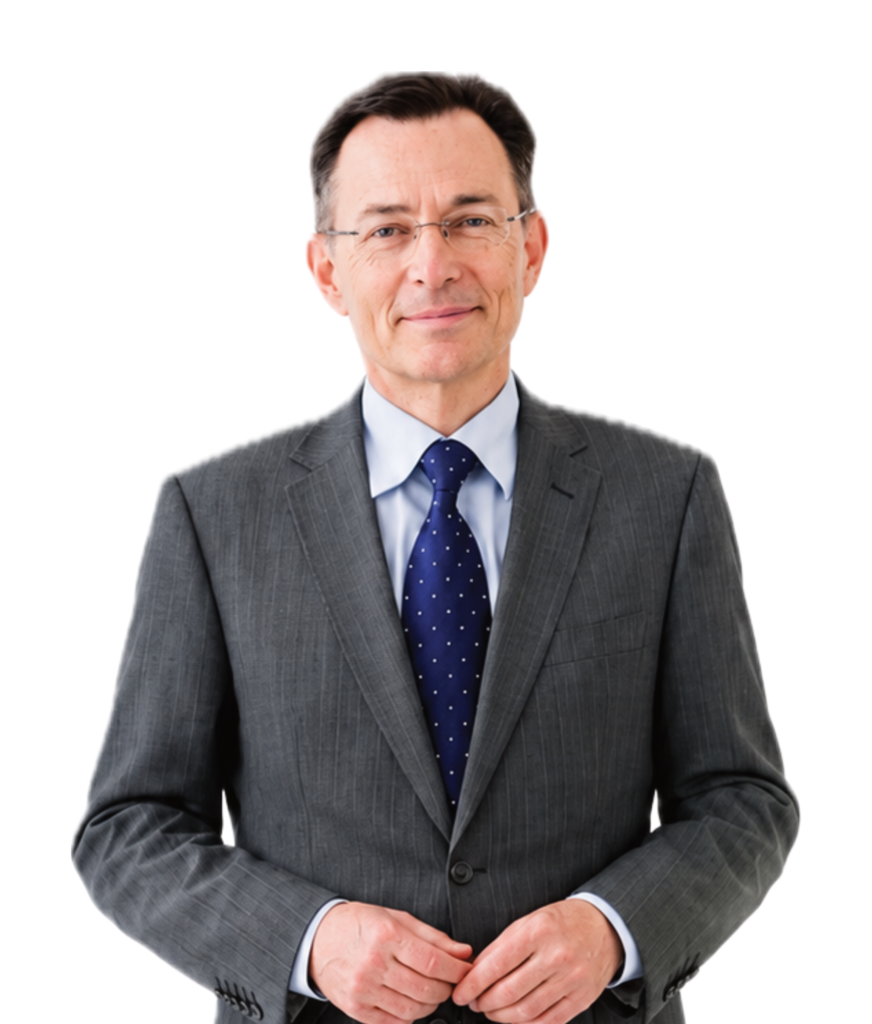
Prof. Dr.-Ing. Horst Kreimes
Technische Hochschule Rosenheim – University of Applied Sciences, Germany
Prof. Kreimes is a senior professor in Energy Technology and Environmental Protection at Technische Hochschule Rosenheim – University of Applied Sciences (Germany). His work focuses on sustainable energy systems, energy conversion technologies, and environmentally responsible engineering solutions for the energy transition.
His core areas of expertise include:
Energy systems engineering, particularly the integration of renewable and hybrid energy systems
Clean heat technologies, including high-efficiency thermal systems for buildings and industry
Heat pumps and low-temperature heating solutions, supporting decarbonized heating supply
Electrification of heat processes, especially the transition from fossil-based thermal systems to electric and renewable-based solutions
Energy efficiency optimization in industrial and building applications
Environmental protection and emissions reduction in energy systems
Applied research and industry collaboration in sustainable energy deployment
Prof. Kreimes combines applied engineering education with practical research on heat decarbonization, contributing to the advancement of clean heat strategies and the electrification of thermal energy systems in line with European climate objectives.
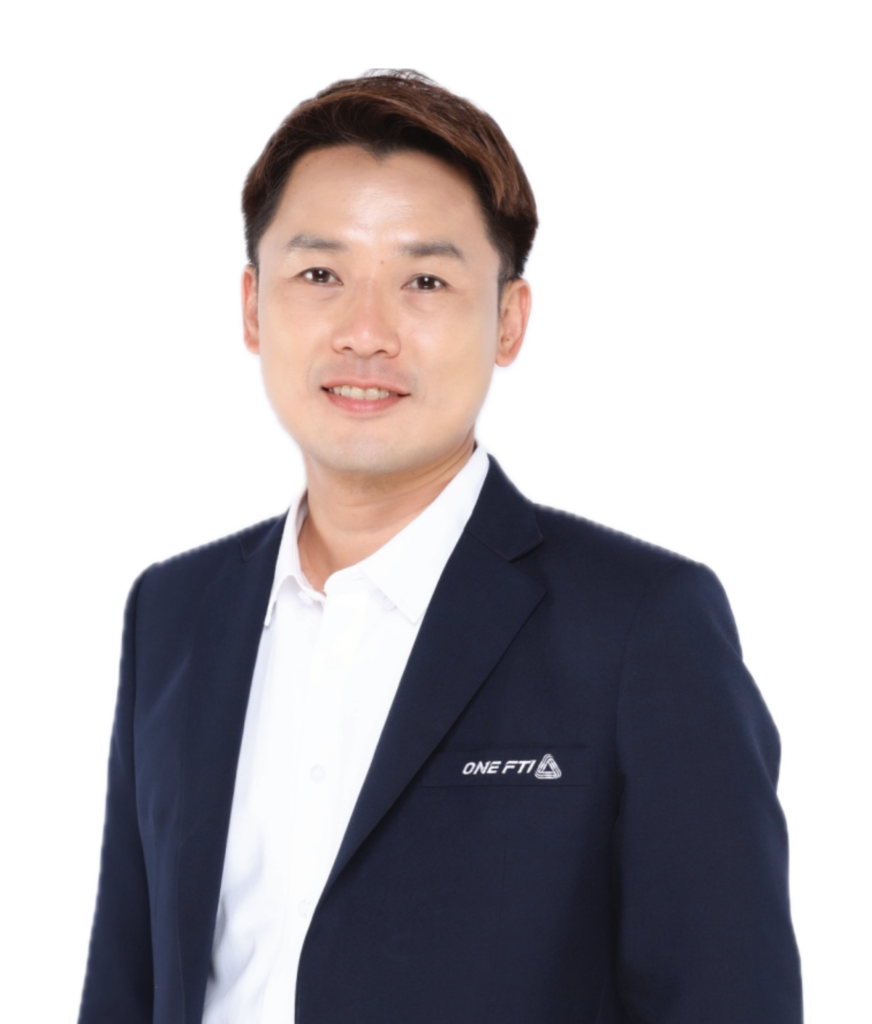
Dr. Sontaya Krichnavaruk
Dr. Sontaya Krichnavaruk is Director of the Climate Change Institute at the Federation of Thai Industries (FTI), where he supports Thailand’s industrial transition toward low-carbon and sustainable development. Prior to joining FTI, he conducted research in chemical and bioprocess engineering, with publications spanning microalgae cultivation, photobioreactor design, gas–liquid mass transfer, computational fluid dynamics, and supercritical CO₂ extraction technologies. His interdisciplinary expertise bridges engineering innovation, industrial decarbonization, and climate change mitigation, providing a strong technical foundation for advancing Thailand’s net-zero transition
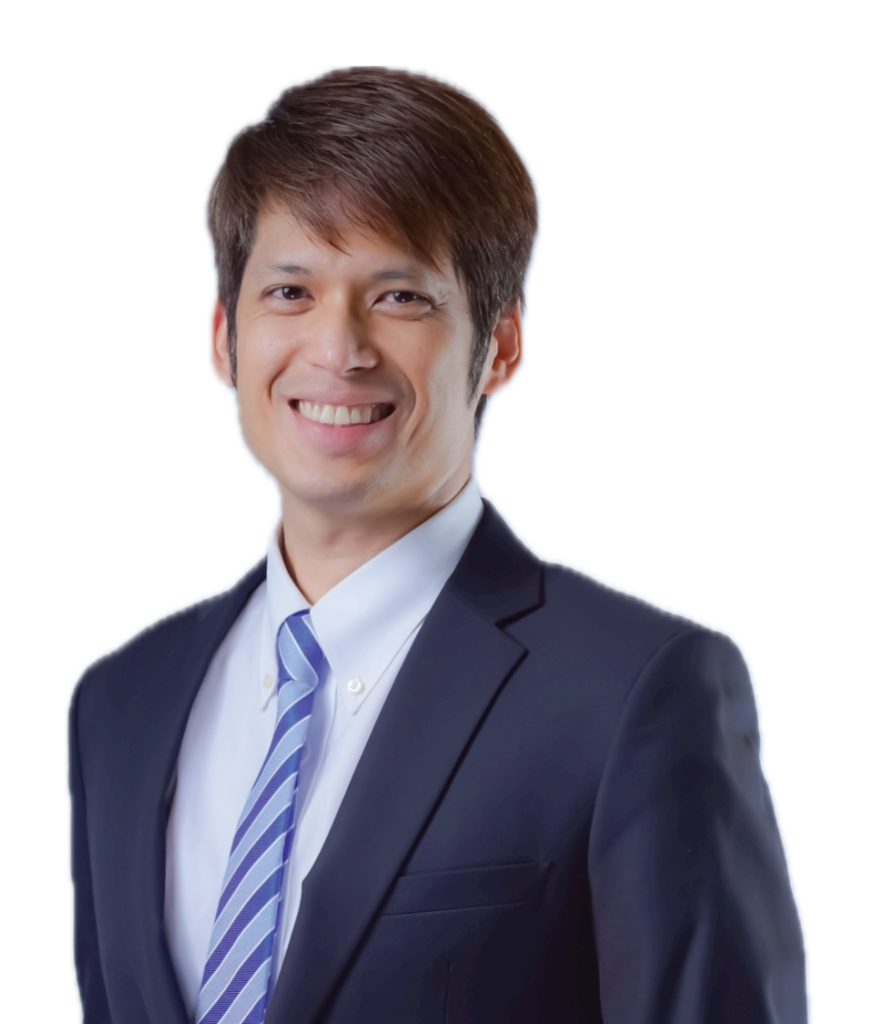
Asst. Prof. Dr. Yanin Sukjai
King Mongkut’s University of Technology Thonburi (KMUTT)
Dr. Yanin Sukjai is a faculty member in the Department of Mechanical Engineering at King Mongkut’s University of Technology Thonburi (KMUTT), Thailand. He holds an M.S. and Ph.D. in Nuclear Science and Engineering from the MIT, an M.S. in Mechanical Engineering from the University of Texas at Austin, and a B.Eng. in Mechanical Engineering from King Mongkut’s University of Technology North Bangkok (KMUTNB).
His expertise spans both nuclear engineering and advanced thermal energy systems, with key areas including:
Nuclear engineering education and instruction, particularly reactor physics, nuclear thermal-hydraulics, and nuclear energy systems
Heat pump technologies for industrial applications, focusing on performance optimization, system integration, and the electrification of industrial heat processes
Clean heat and thermal system engineering, including heat recovery and low-carbon industrial energy solutions
Integration of nuclear and electrified thermal technologies in support of decarbonized energy systems
Dr. Sukjai combines strong theoretical foundations from his nuclear engineering training at MIT with applied research in industrial heat electrification, contributing to workforce development and clean heat innovation in Thailand.
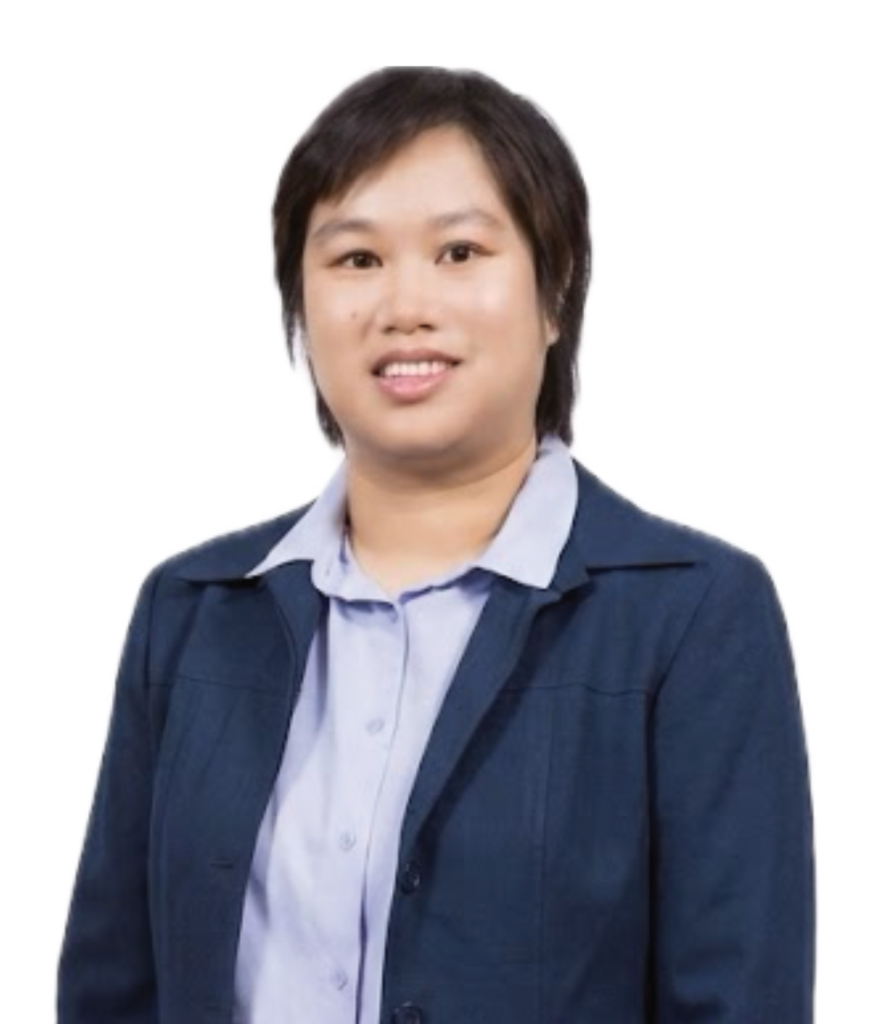
Dr. Paweetida Sungwornpatansakul
Dr. Paweetida Sungwornpatansakul is a Senior Consultant at NRI Consulting & Solutions (Thailand) Co., Ltd., specializing in business consulting, renewable energy, and industrial project development. She has extensive international experience in engineering, EPC project management, and renewable energy systems, including biomass and photovoltaic power plants.
Prior to joining NRI, Dr. Paweetida worked in Japan for over six years with SANKYU and PROSPEC AZ, where she managed EPC projects, biomass plant development, and solar power plant operation and maintenance. She also gained hands-on experience in international engineering projects across Japan, Indonesia, the United States, and Korea.
Dr. Paweetida earned her Doctor of Engineering in Renewable Energy and Master of Engineering in Environmental Engineering from the Tokyo Institute of Technology, following a Bachelor of Engineering in Environmental Engineering from Chulalongkorn University. Having lived in Japan for 12 years, she is fluent in Thai, English, and Japanese, bringing a unique blend of technical expertise, international project experience, and cross-cultural business insight to support Thailand’s clean energy transition.
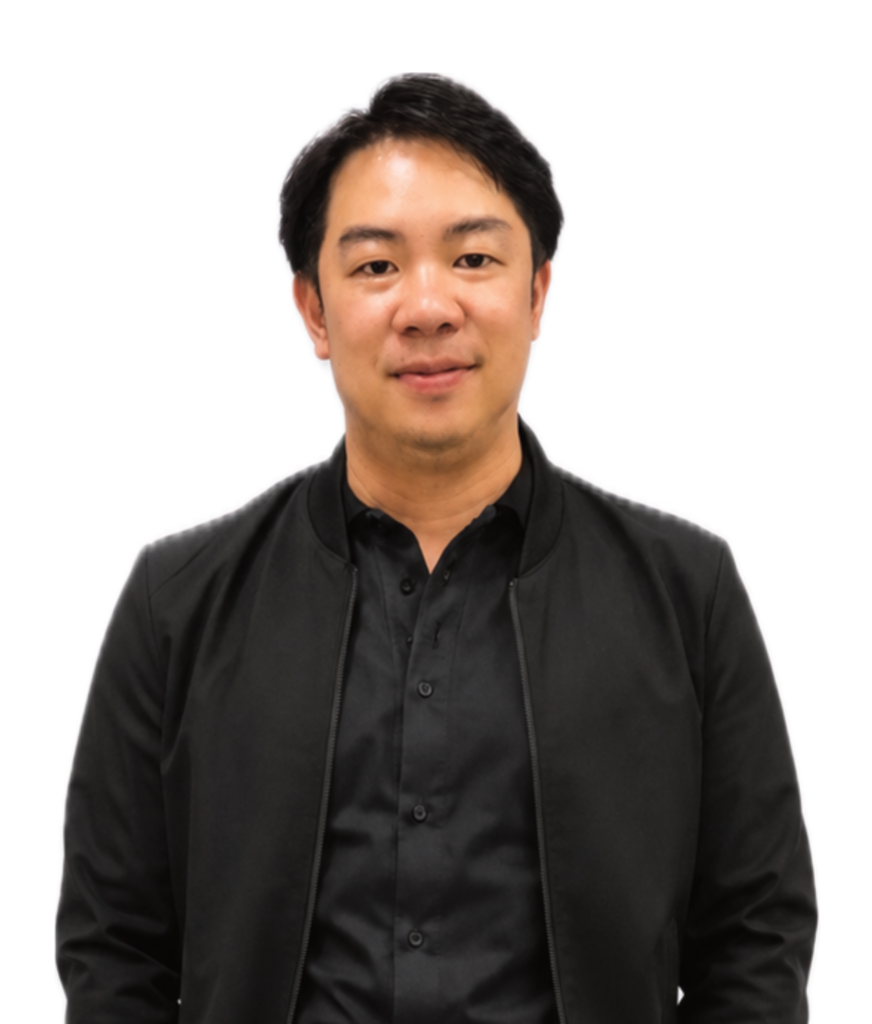
Dr. Nattawut Jaruwasupant
Chiang Mai University (CMU)
Dr. Nattawut Jaruwasupant is a Senior Researcher at the Energy Research and Development Institute – Nakornping (ERDI-CMU), Chiang Mai University, specializing in hydrogen energy technologies, fuel cells, energy storage systems (ESS), smart grids, energy management, and computational fluid dynamics (CFD). He holds a Ph.D. and M.Eng. in Energy Engineering from Chiang Mai University.
His research focuses on hydrogen production and utilization, hydrogen safety, hydrogen–natural gas blending, renewable energy integration, and advanced energy storage systems. He has led and contributed to numerous nationally funded projects supported by Thailand’s Ministry of Energy, EGAT, NRCT, and NSTDA, helping advance hydrogen technologies and smart energy solutions. His work has been published in leading international journals, including Energy and Energies.
Dr. Nattawut’s expertise in hydrogen technologies, energy systems, and applied research supports both technology development and capacity building for Thailand’s clean energy transition.
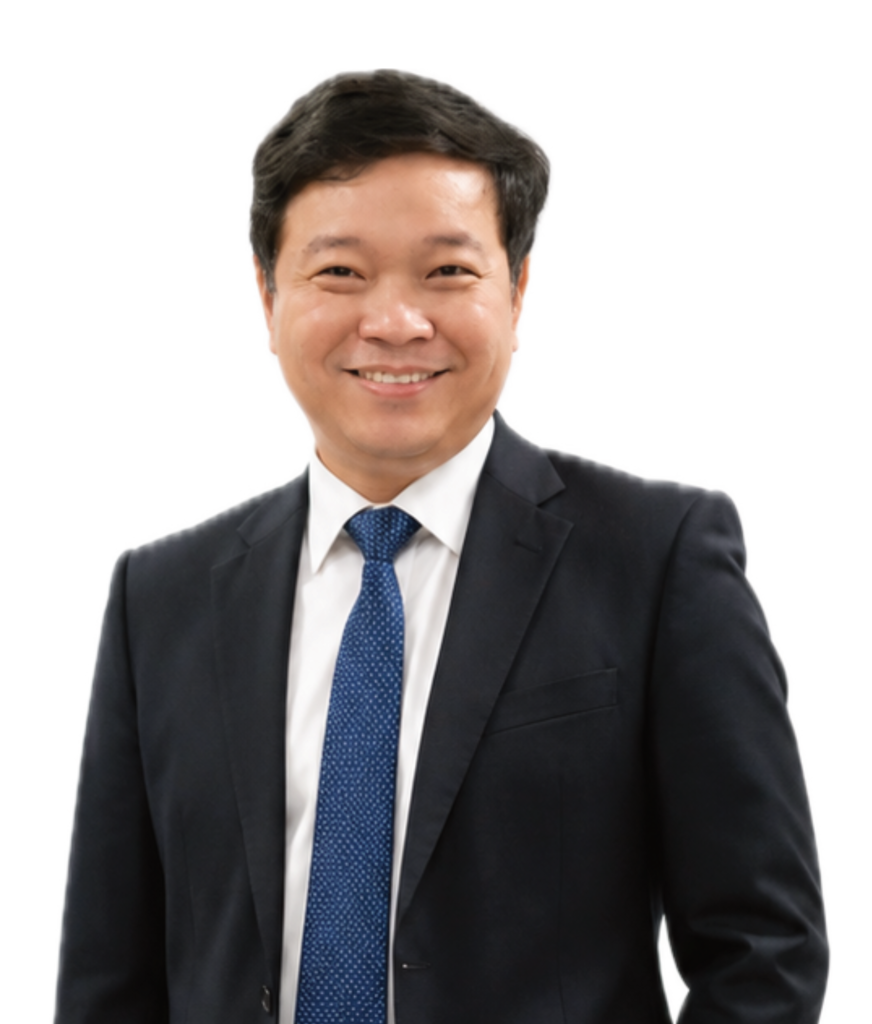
Dr. Visarn Lilavivat
National Energy Technology Center (ENTEC), National Science and Technology Development Agency (NSTDA)
Dr. Visarn Lilavivat is a Senior Researcher at the National Energy Technology Center (ENTEC), where he is a member of the Renewable Energy and Energy Efficiency Research Team, with a particular focus on hydrogen technologies and sustainable aviation fuel (SAF). His work supports Thailand’s transition toward low-carbon energy systems through the development and integration of advanced clean energy solutions.
He holds a Ph.D. in Chemical Engineering from the University of South Carolina, USA, and a Bachelor of Engineering in Automotive Engineering from Chulalongkorn University. His technical expertise spans polymer electrolyte membrane (PEM) fuel cells, electrochemical engineering, design engineering, computational fluid dynamics (CFD), and computer-aided engineering and design (CAE/CAD).
Dr. Visarn is actively engaged in applied research, technology development, and international collaboration in the field of hydrogen and clean energy. In September 2024, he delivered a keynote address at a conference organized by the PHD Chamber of Commerce and Industry in New Delhi, highlighting the role of micro, small, and medium enterprises (MSMEs) in advancing green hydrogen technologies. In his address, he presented Thailand’s hydrogen strategy, including ENTEC’s bio-hydrogen initiatives and efforts toward developing low-carbon hydrogen standards, while also exploring opportunities for international collaboration to accelerate innovation and deployment in the hydrogen sector.
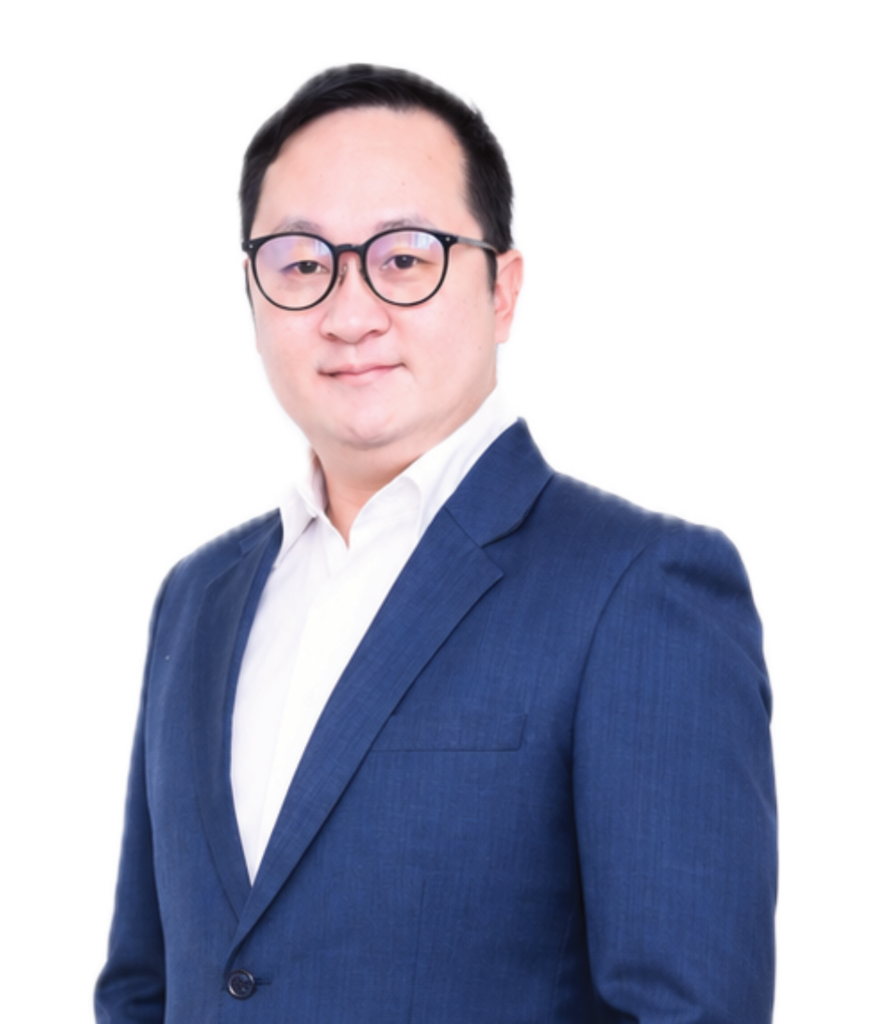
Dr. Watcharin Ngampuengpis
PTT Public Company Limited
Dr. Watcharin Ngampuengpis is the Manager of the Hydrogen Technology Research Group at the PTT Innovation Institute, PTT Public Company Limited, where he leads research and development in advanced hydrogen technologies for Thailand’s energy transition. He holds a Ph.D., M.Sc., and B.Sc. in Chemistry from Chulalongkorn University.
His expertise covers hydrogen production technologies (PEM, AEM, and solid oxide electrolysis), hydrogen storage, solid oxide fuel cells (SOFCs), advanced energy materials, and renewable energy systems. At PTT, he has played a key role in advancing hydrogen, battery, and renewable energy research, contributing to the development of next-generation clean energy technologies. His research has been published in leading international journals, including the International Journal of Hydrogen Energy.
With extensive experience in industrial R&D and innovation, Dr. Watcharin contributes to the development and commercialization of hydrogen technologies, supporting PTT’s strategic initiatives and Thailand’s transition toward a low-carbon and hydrogen-based energy future.

Mr. Tasnai Potisat
Enapter Thailand/Germany/Italy
Mr. Tasnai Potisat is a renewable energy and hydrogen specialist with over a decade of experience in international development, industry, academia, and social entrepreneurship. He holds an M.Sc. in Sustainable Energy Engineering from KTH Royal Institute of Technology (Sweden) and Eindhoven University of Technology (the Netherlands).
As Country Director of Enapter, he has led business development and technical assessments for green hydrogen projects across Thailand, ASEAN, and India. His expertise includes hydrogen technologies, renewable energy policy, techno-economic analysis, energy storage, energy markets, and energy systems modelling. He has also contributed to pioneering hydrogen demonstration projects, including the Phi Suea House, the world’s first hydrogen-powered residential project.
Previously, Mr. Tasnai worked with GIZ and the Energy Research Institute, Chulalongkorn University, on renewable energy policy and regional energy cooperation. He is also the founder of ReCharge, a social enterprise that has implemented award-winning solar microgrid projects for off-grid communities in Thailand, supporting the country’s clean energy transition.
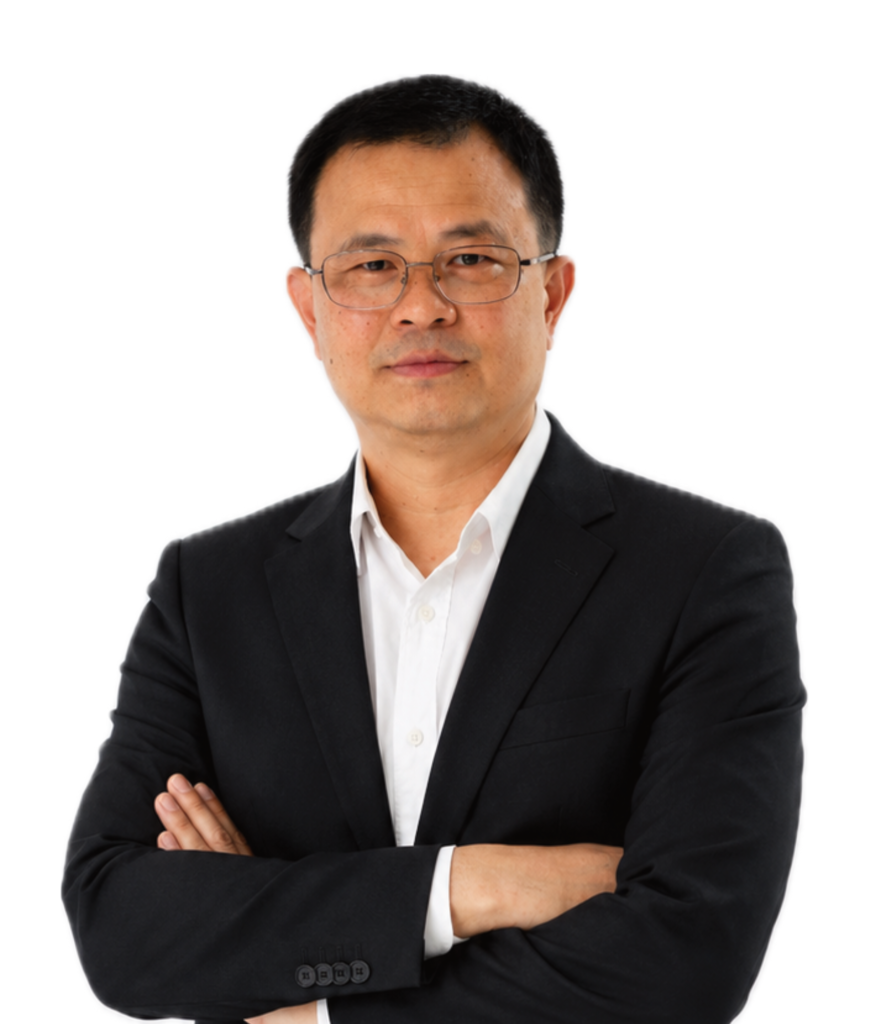
Assoc. Prof. Dr. Konlayutt Punyawudho
Chiang Mai University
Dr. Konlayutt Punyawudho is an Associate Professor in the Department of Mechanical Engineering, Faculty of Engineering, Chiang Mai University. He earned his B.Eng. in Mechanical Engineering from King Mongkut’s Institute of Technology Ladkrabang (1996), an M.S. in Mechanical Engineering (2001), and a Ph.D. in Chemical Engineering (2009) from the University of South Carolina, USA. His research focuses on sustainable energy systems, with particular expertise in hydrogen and fuel cell technologies, including hydrogen production, storage, utilization, and the integration of hydrogen into clean energy systems. His work also encompasses renewable energy technologies, energy conversion, advanced thermal and chemical processes, and decarbonization strategies for industrial and transportation applications. Through his research and academic leadership, Dr. Punyawudho has contributed significantly to advancing hydrogen technologies and supporting Thailand’s transition toward a low-carbon and hydrogen-based energy future.
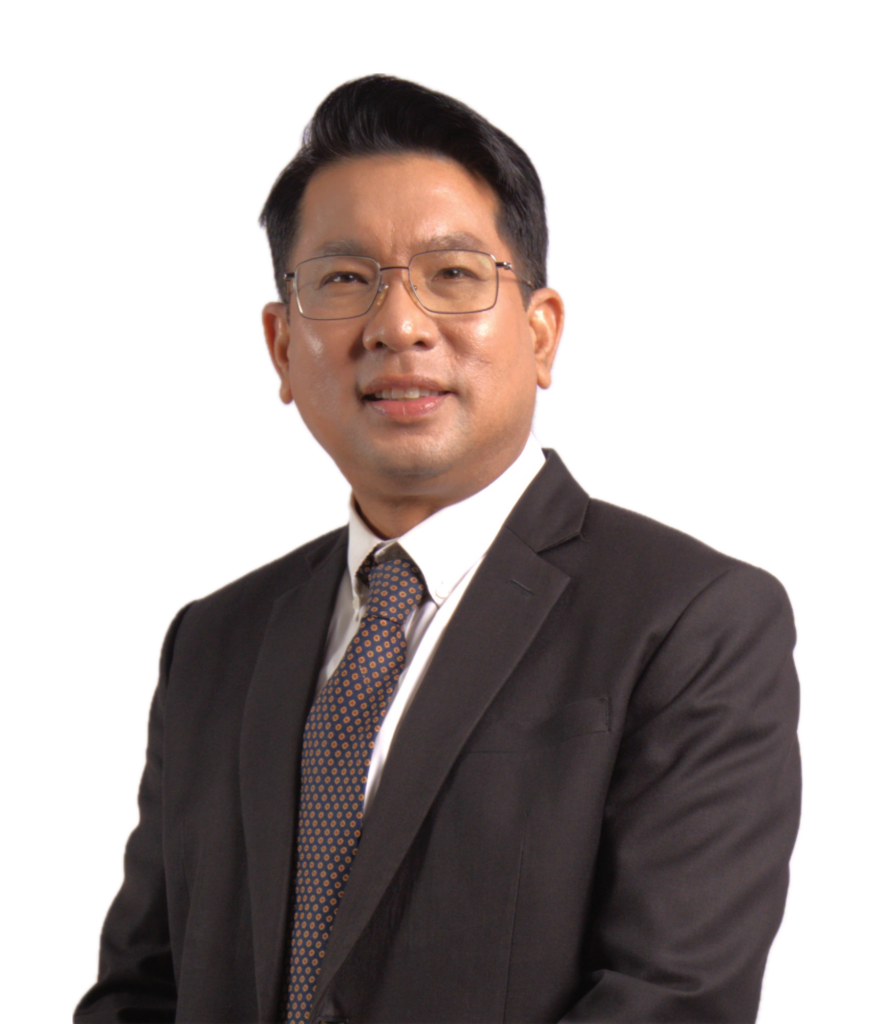
Dr. Narun Suwanchotchoung
Hydrogen Thailand Association
Dr. Narun Suwanchotchoung is a mechanical engineer and industry leader specializing in hydrogen technologies, electrified vehicles, and automotive decarbonization. He serves as Committee Member and Treasurer of the Hydrogen Thailand Association, promoting hydrogen as a key energy platform for Thailand’s low-carbon transition. He holds a Ph.D. and M.S. in Mechanical Engineering from Vanderbilt University, USA, and an M.Eng. in Automotive Engineering from Kasetsart University.
Dr. Narun has held senior leadership positions at Toyota Motor Thailand and Toyota Daihatsu Engineering & Manufacturing, leading corporate strategy, technology research, and external affairs for next-generation mobility. His expertise includes hydrogen and alternative fuels, fuel cell electric vehicles (FCEVs), battery life cycle management, and electrified vehicles (HEV, PHEV, and BEV).
He also serves on Thailand’s Senate Energy Committee Hydrogen Working Team and as a Technical Advisor to the Thai Automotive Industry Association (TAIA), contributing to national hydrogen policy and the advancement of sustainable mobility
in Thailand.
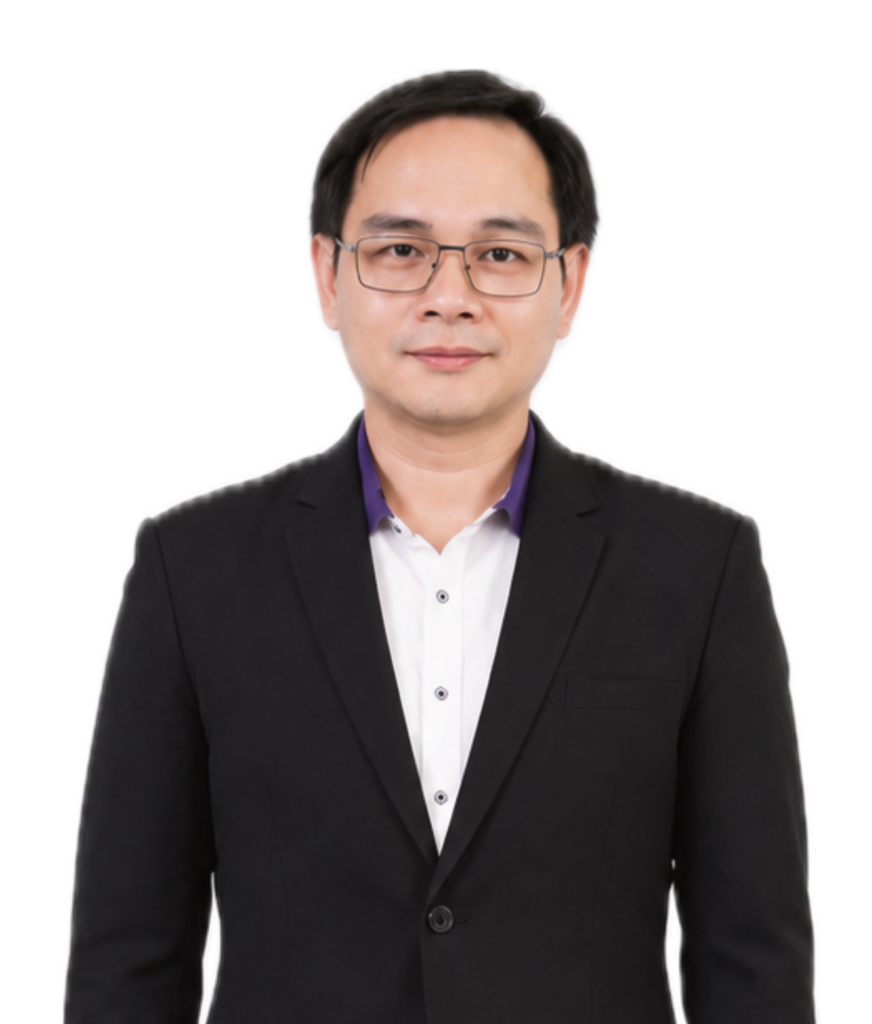
Assoc. Prof. Dr. Pornchai Wisuttisak
Chiang Mai University (CMU)
Dr. Pornchai Wisuttisak is a leading legal scholar at the Faculty of Law, Chiang Mai University, and has served as Dean of the Faculty of Law and Assistant to the President of Chiang Mai University. He holds a Ph.D. in Business Law and Taxation from the University of New South Wales (UNSW), Australia, and is widely recognized for his expertise in Competition Law, International Trade Law, and the legal governance of State-Owned Enterprises (SOEs). In recent years, Dr. Wisuttisak has expanded his work to support Thailand’s clean energy transition, with particular emphasis on the legal and regulatory frameworks for hydrogen technology deployment. His expertise includes policy and regulatory issues related to hydrogen production, transportation, storage, market development, safety governance, and standards, as well as the integration of hydrogen into Thailand’s evolving energy and industrial sectors. He actively contributes to the development of enabling legal frameworks that facilitate the safe, efficient, and commercially viable deployment of hydrogen technologies in Thailand.
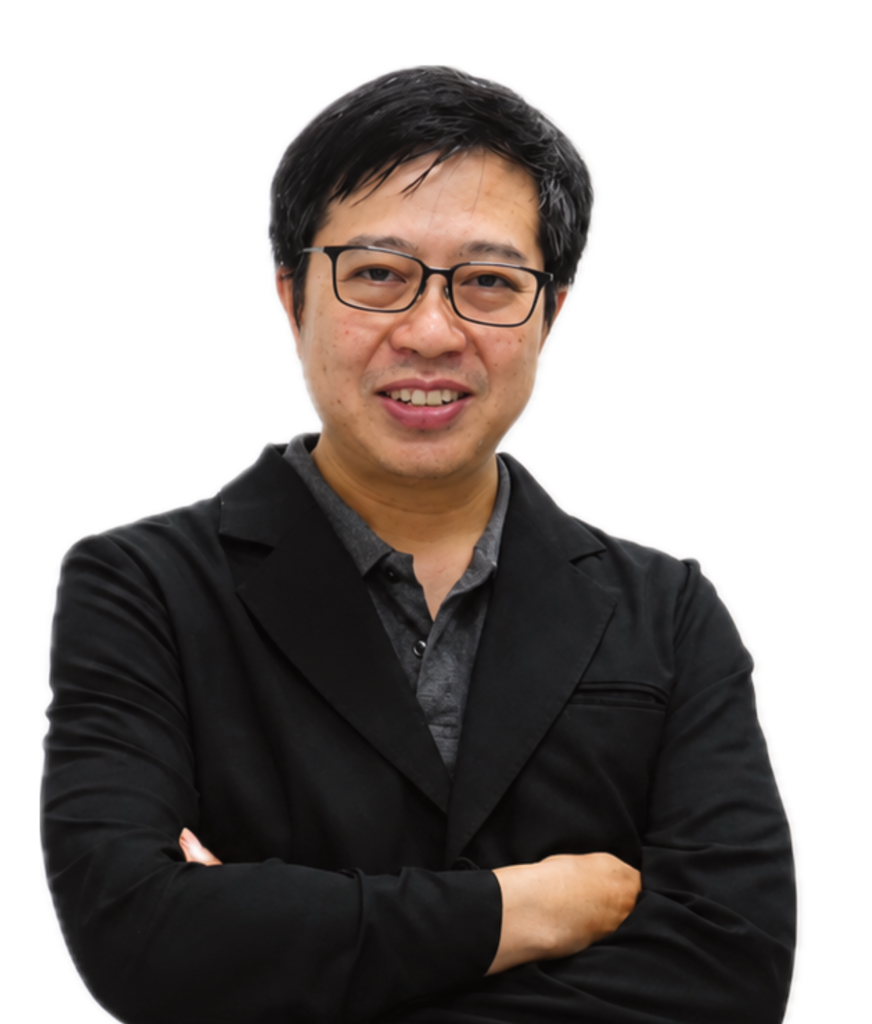
Asst. Prof. Dr. Nutthapon Wongyao
King Mongkut’s University of Technology Thonburi (KMUTT)
Dr. Nutthapon Wongyao is a faculty member at King Mongkut’s University of Technology Thonburi (KMUTT), specializing in hydrogen energy systems, fuel cell technologies, and electrochemical energy conversion. He holds a Ph.D. in Energy from KMUTT and is actively involved in both research and workforce development to support Thailand’s clean energy transition.
His research spans polymer electrolyte membrane (PEM) fuel cells, direct alcohol fuel cells, and advanced battery systems, including lithium-ion and sodium-ion technologies. His expertise also covers electrochemical engineering, energy storage systems, and simulation-based analysis of energy system performance, particularly in applications related to electric vehicles (EVs) and hydrogen integration.
In addition to research, he plays a key role in capacity building through KMUTT’s Work-Integrated Chemical Engineering Practice School, contributing to the development of skilled professionals in applied energy engineering and industry-oriented training.
Short-course training
Energy Transition Workforce Skills Program


CLEAN HEAT
HYDROGEN
SMR
Background and Rationale
As Thailand advances its energy transition and industrial decarbonization efforts, there is a growing need for skilled professionals capable of evaluating and deploying emerging low-carbon energy technologies. In addition to expanding renewable electricity, technologies such as Small Modular Reactors (SMRs), clean heat systems, and hydrogen are increasingly recognized as important options for providing reliable power, decarbonizing industrial heat, and supporting hard-to-abate sectors.
However, the successful and responsible adoption of these technologies requires multidisciplinary expertise spanning engineering, safety, economics, and policy. This training program aims to strengthen workforce capacity across industry, utilities, regulatory agencies, and policymaking institutions, enabling informed decision-making and supporting the safe and economically viable deployment of these technologies in Thailand’s energy transition.
01
This program is developed and delivered by a multi-institutional consortium comprising:
• King Mongkut’s University of Technology Thonburi (KMUTT) – Lead
• Office of Atoms for Peace (OAP)
• Thailand Institute of Nuclear Technology (TINT)
• Chulalongkorn University, Department of Nuclear Technology
• National Energy Technology Center (ENTEC)
• H2Technology LLC (USA) (Dr. Wison Luangdilok)
02
In addition, the program receives technical support from internationally recognized organizations and experts, including:
• International Atomic Energy Agency (IAEA), through the IAEA–OAP Technical Cooperation (TC) Project
• Canadian Nuclear Laboratories (CNL), Canada
• Rosenheim Technical University of Applied Sciences, Germany
03
Supported by
The program is part of the project “Capacity Building for Energy Transition: High-Level Skills Development in Nuclear SMR, Clean Heat, and Hydrogen for Working Professionals,” which is financially supported by the Research and Innovation Acceleration Agency for Competitiveness and Area Development (Public Organization) (RCAD), under the oversight of the Ministry of Higher Education, Science, Research and Innovation (MHESI).
Questions and Answers
Who Should Attend?
The program is designed for professionals involved in energy system planning, technology deployment, and policy development, including:
• Energy utilities and project developers
• Industrial energy managers and engineers
• Engineering, procurement, and construction (EPC) firms
• Regulatory and safety authorities
• Government agencies and policymakers
• Energy analysts and consultants
Who Can Apply?
The program is designed for participants with a background in science, engineering, or related fields. Professionals from policy, regulatory, or industry backgrounds with relevant experience are also encouraged to apply.
Why Join?
• Access to international experts
• Exposure to cutting-edge technologies
• Practical and policy-relevant insights
• Networking with key stakeholders
Program Details
• Training Period: July–October 2026 (Subject to change with advance notice)
• Format: Short-course (1–2 weeks per track: SMR, Clean Heat, and Hydrogen)
• Venue: To be confirmed, subject to the allocation of training facilities (KMUTT, OAP, TINT, CU, ENTEC, and partners)
• Number of Participants: 30–40 per track
• Language of Instruction: English
Fees
• THB 20,000 per participant, per track.
• Due to limited funding support, fee waivers are prioritized for participants from government agencies and state enterprises.
• No fees will be charged for the first 100 registered participants, regardless of sector.
Certificate Awarded
Participants who successfully complete the program, including pre-and post-training assessments, will receive a certificate issued by the Consortium.
Prospectus
Developed and delivered by